Inside Europe's Transgender Medicine System with Róisín Michaux
27 August 2026
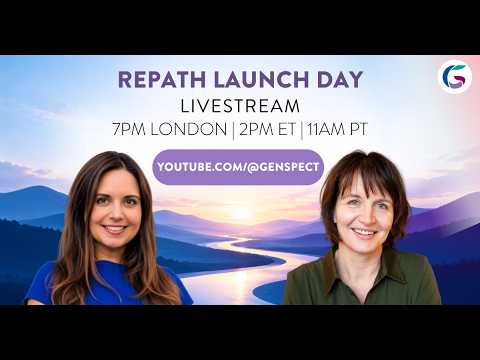
With Róisín MichauxRóisín Michaux, an Irish investigative journalist based in Brussels, brings rare on-the-ground reporting to the Beyond Gender conversation. Going undercover as a fictitious distressed autistic teenager, she mapped how easily Irish and European minors can access hormones and surgery through online prescribers, cross-border clinics, and networks operating well outside conventional medical oversight. Stella, Mia, and Bret press her on the detail — and the picture that emerges is as precise as it is disturbing.
Róisín Michaux is an Irish journalist based in Brussels whose reporting has taken her deep into the European policy architecture around gender medicine. She arrives on Beyond Gender not with abstractions but with findings — the result of patient, first-hand investigation into how young people move through a system that is far more accessible, and far less scrutinised, than most parents or clinicians realise. The centrepiece of the conversation is an undercover investigation in which Michaux constructed a fictitious persona: a distressed, autistic teenage girl. What she found when she sent that persona into the online communities and clinical pathways available to Irish youth was not caution or clinical rigour, but a network of services designed — by accident or by design — to move young people toward medicalisation with minimal friction. Stella O'Malley, whose background as a psychotherapist gives her particular insight into the profile of the young people involved, does not let that finding pass without examination. Michaux maps the fragmented landscape that has emerged since Ireland's official gender service split. Young people and their families, left without a clear national pathway, are now channelled toward online prescribers such as Gender GP and Gender Plus, toward cross-border operations like Belgium's Imago, and toward a broader DIY hormone culture that has grown up in the space official medicine has left open. She visited the Antwerp youth clinic in person, giving the hosts — and listeners — something closer to a firsthand account than is usually available. The episode's sharpest material concerns clinics in Madrid found to be willing to perform mastectomies on minors. Michaux investigated this directly, and Bret Alderman's questions from a psychologist's perspective bring both clinical weight and moral seriousness to the exchange. The conversation that follows — touching on suicide protocols, the tension between affirmation-based approaches and the evidence for psychotherapy, and the internal logic of the WPATH pipeline — is exactly the kind of cross-disciplinary stress-testing that makes Beyond Gender worth seeking out. What elevates this episode beyond a straightforward news report is the quality of the dialogue between a journalist who has done the legwork and three hosts who understand the psychological and clinical terrain. Michaux is precise and committed to accuracy; Stella, Mia, and Bret bring questions shaped by years of working with the young people this system touches. The result is investigative journalism examined through clinical experience, and clinical concern informed by concrete evidence — a combination that is genuinely hard to find.
Watch and subscribe on YouTube
Open this episode on the Beyond Gender channel