Narcissists Are Destroying Society – Joshua Slocum (#17)
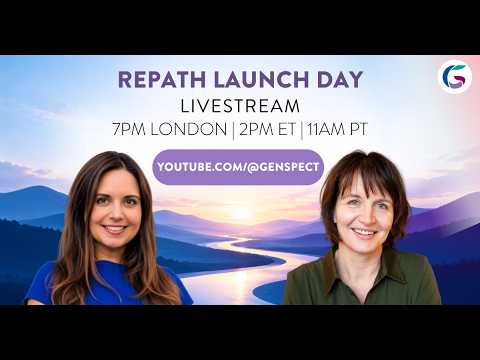
Josh Slocum grew up with a narcissistic, borderline mother. He then spent years inside progressive activist movements. The pattern, he tells Stella, Mia, and Bret, was identical. A former nonprofit director turned cultural critic, Slocum argues that Cluster B personality disorders have migrated from the family home into public life — shaping the language of identity politics, gender activism, and institutional capture. It is a diagnosis many people sense but struggle to name. This conversation gives them the vocabulary.
Josh Slocum did not arrive at his current thinking through academic research. He arrived through lived experience — a childhood spent navigating the emotional volatility of a mother with borderline and narcissistic personality disorders, then years inside leftist activist circles where he kept recognising the same patterns: the reality distortion, the weaponised empathy, the punishment for dissent. That journey — from personal survival to cultural diagnosis — is exactly what makes his conversation with Stella O'Malley, Mia Hughes, and Dr Bret Alderman so compelling. Slocum spent over a decade as Executive Director of the Funeral Consumers Alliance, fighting industry corruption. He has since turned his attention to broader cultural dysfunction, hosting the Disaffected podcast and building an audience among people who recognise the psychological dynamics he describes from their own families, workplaces, and communities. He is not an academic clinician, but he speaks with the authority of someone who has spent years in recovery and years paying close attention. The central claim is arresting: that the behavioural patterns associated with Cluster B personality disorders — narcissistic and borderline in particular — have become the operating system of contemporary progressive politics. The deflection, the victimhood performance, the emotional manipulation, the insistence that feelings override facts: Slocum argues these are not incidental features of today's culture wars but defining ones. Stella, Mia, and Bret push back, probe, and explore this thesis with him, bringing their own clinical and research backgrounds to a conversation that is equal parts psychological and political. The gender dimension is never far from the surface. Slocum and the hosts examine how the framework of gender identity — particularly the idea of being born in the wrong body — can function as a symptom of underlying psychological distress rather than a stable identity to be affirmed and medicalised. The language of boundaries, trauma, and self-discovery that saturates trans activist discourse is, in Slocum's reading, often the same language he learned to recognise as manipulation in his own family home. This is a difficult argument, and the episode handles it seriously. One of the sharpest threads running through the conversation concerns what happens when therapy language is stripped from its clinical context and deployed as a political weapon. Concepts like boundaries, gaslighting, and lived experience were developed to help individuals heal; Slocum argues they have been repurposed to silence opposition, close down debate, and insulate bad ideas from scrutiny. He traces this from the personal to the institutional, examining who benefits from the capture of schools, medical bodies, and cultural organisations by ideologies that punish doubt. What this episode offers that pure policy debate often cannot is a psychological grammar for what many people are already sensing but struggling to name. Slocum draws on his own story without self-pity and without false certainty, making for a conversation that is intellectually honest and emotionally grounded. Stella O'Malley's psychotherapeutic experience, Mia Hughes's research focus, and Dr Alderman's clinical background give the discussion a rigour that matches its ambition.
Watch and subscribe on YouTube
Open this episode on the Beyond Gender channel