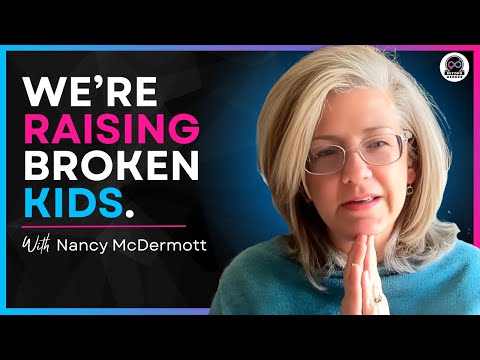
Nancy McDermott
Author and parenting culture critic
Nancy McDermott spent years embedded in one of America's most intensive parenting communities before stepping back to ask what it was doing to children — and to culture. On Beyond Gender, she brings a bracing argument: that today's identity crisis among teenagers is the fruit of a parenting revolution that began long before gender ideology arrived on the scene.
Nancy McDermott is an author and cultural writer who has spent years examining the transformation of American parenting — from the relatively hands-off norms of mid-20th-century life to the anxious, child-centred model that now dominates middle-class family culture. Her book traces this shift and its consequences, arguing that an obsessive focus on children's emotional inner lives has produced not confidence and resilience but fragility and confusion.
In Modern Parenting Is DESTROYING Childhood (Episode 20), Nancy joined Stella O'Malley, Mia Hughes, and Dr Bret Alderman for a conversation that reframes where the gender debate actually comes from. Rather than treating gender ideology as the origin of the teenage identity crisis, she positions it as a symptom — one that grew in soil prepared by decades of parenting culture that places the child's emotional state at the centre of family life. She traces the arc from the 1970s divorce revolution, which reshuffled adult priorities and fundamentally altered how parents related to children, through to the present moment of identity-anxious adolescents.
Her argument is historical and sociological rather than narrowly ideological: the problem did not begin with social media, with trans activists, or with any single movement. It began much earlier, in shifts in how adults understood their role and their responsibility to children. Gender ideology, in her reading, is the latest expression of a culture that already struggled to provide children with the stable, adult-led world they need in order to grow up well.
Nancy McDermott brings to Beyond Gender a perspective that refuses easy political sorting. She is sympathetic to the concerns animating gender-critical feminism, while insisting that the deeper causes run further back — and demand a longer, more honest historical reckoning than the current culture war tends to allow.