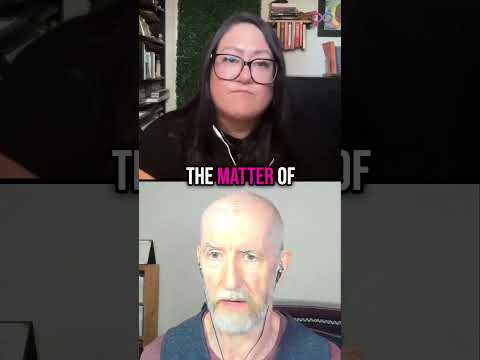
Who Are The Zizians? with Andy Ngo
12 November 2026
With Andy NgoJournalist Andy Ngo joins Stella O'Malley and Bret Alderman to unpack his new book on the Zizians, a trans-identifying, vegan-linked group he connects to a string of murders and attempted murders across the United States. The talk traces how Ngo's reporting on Portland's Antifa and BLM riots led him into Silicon Valley's rationalist and effective-altruism circles, where obsession with AI existential risk curdled into something far stranger and more violent. It's less a true-crime recap than a conversation about method: how Ngo built the story, what the courts have confirmed so far, and why so few outlets wanted to touch it.
This episode is a long-form interview rather than a news segment, and that shows in how it's structured. Stella O'Malley and Bret Alderman give Andy Ngo room to walk through the reporting that became his book, "The Zizians: Inside a Trans Death Cult," rather than asking him to summarise headlines the audience has already half-seen online. The result is closer to a working journalist explaining his process than a guest promoting a release. Ngo's route into the story is itself part of the appeal. He didn't set out to investigate a cult. His earlier reporting on Portland's Antifa and BLM riots put him in contact with the networks and personalities that, he argues, eventually led him toward a small, trans-identifying, vegan-linked group centred on a figure he identifies as Jack Amadeus LaSota, known as "Ziz." The hosts use this thread to press him on sourcing and evidence, which matters given how serious the claims are. What makes the group's origin story unusual, and worth the hosts' attention, is its setting. Ziz moved to Silicon Valley in 2016 and moved through rationalist and effective altruist circles preoccupied with existential risk from artificial intelligence. Those are communities that pride themselves on hyper-rational thinking, and Ngo's account of how that culture intersected with gender identity, isolation and escalating belief is the part of the conversation that will interest listeners who usually hear this podcast discuss clinics, schools or legislation rather than courtrooms. From there the discussion moves into harder territory: a timeline of interconnected cases, a courtroom moment Ngo clearly found significant enough to bring to the hosts directly, and the open cases and legal manoeuvring still working through the system. Alderman and O'Malley don't let this become abstract true crime; they keep returning to the human cost and to what the case might say about vulnerability, ideology and belonging among young people drawn into fringe movements. The later part of the episode turns to Ngo himself: how he reports on Antifa, what writing and publishing the book involved, and why, in his view, large parts of the media were reluctant to engage with a story that doesn't fit a comfortable frame. For a podcast built around questioning gender-identity orthodoxy and the reluctance of institutions to look closely at uncomfortable evidence, that's the natural closing note. It's also likely the detail that explains why the hosts booked this particular guest for this particular story: not because the Zizians are representative of anything, but because the pattern of avoidance around covering them will sound familiar to anyone who has followed this show's wider arguments about institutional caution. Listeners drawn to the show for its scepticism about uncritical affirmation will find plenty to chew on here, even though the episode sits further from clinical practice than usual. It's a reminder that the questions this podcast normally asks about ideology and evidence don't stop at the clinic door.
Watch and subscribe on YouTube
Open this episode on the Beyond Gender channel